Breaking Up With Your Fave: The Messy Emotional Aftermath of Falling Out With a Celebrity
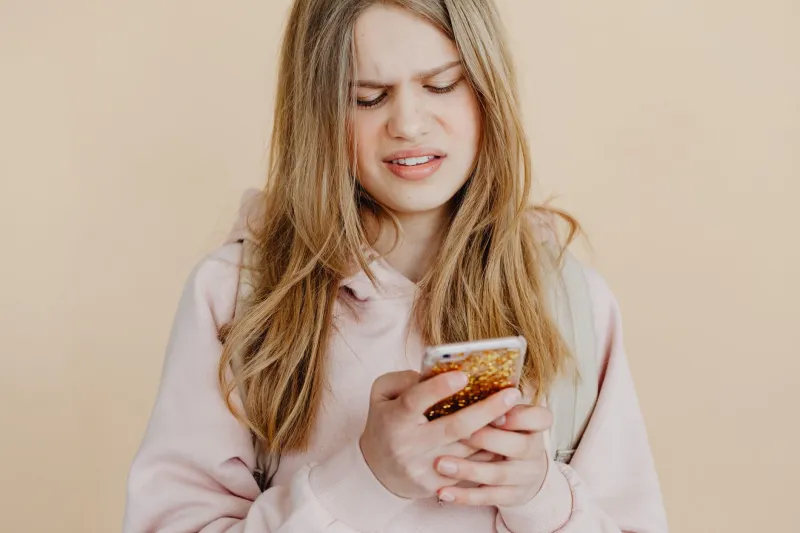
There's a very specific kind of discomfort that hits when you realize the celebrity you've spent years defending in comment sections is now someone you can barely stand to see on your timeline. It's not quite betrayal. It's not exactly grief. It's something awkward and in-between — like the feeling of running into an ex at a grocery store except the ex has 14 million Instagram followers and your mutual friends are still obsessed with them.
Falling out with a celebrity is genuinely messy in ways we don't talk about enough. And unlike canceling a streaming subscription or quietly abandoning a show you lost interest in, this kind of breakup comes with social consequences, identity questions, and a weird amount of guilt that nobody warned you about.
It Starts Before the Unfollow
Here's the thing nobody really admits: the falling out usually happens slowly, long before you actually click unfollow. There's a period — sometimes weeks, sometimes months — where you're still technically a fan but something has shifted. A comment they made rubbed you the wrong way. An interview felt off. A business venture felt like a cash grab. You gave them the benefit of the doubt once, twice, maybe a dozen times. But the mental math stopped adding up.
Psychologists call this cognitive dissonance, and it's genuinely uncomfortable. You've built a version of this person in your head that you liked — maybe even loved — and new information keeps poking holes in that version. The brain wants to protect the original image because you've invested real emotional energy into it. So you rationalize, you scroll past the bad takes, you tell yourself everyone has off days.
Until you don't anymore.
The Unfollow Feels Like a Statement
When you finally do it — hit unfollow, mute, or block — it feels weirdly significant. More significant than it should, honestly. Because logically, a celebrity with millions of followers is never going to notice that you specifically stopped engaging with their content. Your departure is statistically invisible. And yet it feels like a declaration.
That's because the unfollow is less about them and more about you. It's you acknowledging to yourself that something has changed. It's closing a chapter you didn't expect to close. And depending on how long you followed this person, how much of your identity was wrapped up in being a fan, or how publicly you championed them online — that chapter might have been a pretty significant one.
Some people do it quietly and move on. Others spiral. And honestly? Both reactions make complete sense.
The Identity Piece Nobody Talks About
Here's where it gets really interesting. Fandom isn't just about the celebrity — it's about the community around them, the version of yourself you were when you became a fan, and the shared references and inside jokes that come with belonging to a particular corner of the internet.
When you fall out with the celebrity at the center of all that, you're not just losing a content creator. You're potentially losing a social group, a sense of belonging, and a piece of how you understood yourself. That's heavy. No wonder it feels messier than just losing interest in a show.
For a lot of people, especially those who were fans during formative years — think early Twitter stans, Tumblr-era fandoms, or the golden age of YouTube — this kind of falling out can genuinely feel like a small identity crisis. Who are you if you're not the person who defended this artist in every argument? What does it say about your judgment that you were so wrong about someone for so long?
The answer, for what it's worth, is: nothing catastrophic. People change. Celebrities change. The way we perceive public figures is always filtered through incomplete information. Getting it wrong isn't a character flaw — it's just how parasocial relationships work.
Friend Group Friction Is Real
Let's talk about the social layer, because this is where things get genuinely awkward. If your friends are still fans of the celebrity you've fallen out with, you're suddenly navigating a weird kind of loyalty conflict. Do you tell them why you unfollowed? Do you stay quiet while they send you clips of someone you can no longer stand? Do you gently push back or just let it go?
In real life, this plays out in group chats, at brunches, in comment threads. Someone shares a post about your former fave and you have to decide in real time how honest to be. The options are all kind of uncomfortable: pretend you're still a fan, explain yourself and risk a debate, or just reply with a vague emoji and hope nobody notices.
This friction is especially pronounced when the falling out is tied to something political or ethical — a problematic statement, a controversy that hit close to home. Because now it's not just "I'm not really into their music anymore." It's "I have a values-based reason for distancing myself and I'm not sure how to explain that without making things weird."
Finding Someone New (And Feeling Guilty About It)
Eventually, most people fill the void. You stumble onto a new creator, a different artist, someone whose content gives you that same spark of genuine enthusiasm. And this is a good thing! Genuinely. The internet is enormous and there are incredible people making incredible stuff every single day.
But sometimes that transition comes with a weird undercurrent of guilt. Like you're cheating on someone who never knew you existed. Like being enthusiastic about someone new is somehow a betrayal of the years you spent invested in your former fave.
It isn't, obviously. But the guilt is still real, and it says something interesting about how deeply we absorb these one-sided relationships. The celebrity moved on from you before you even knew them. You're allowed to move on too.
The Bigger Picture
What makes the celebrity falling-out so emotionally loaded — compared to, say, losing interest in a show — is that shows don't have opinions. A TV series doesn't tweet something offensive at 2 a.m. or make a business decision that conflicts with your values or change their personality in ways that feel like a betrayal of who they used to be.
Celebrities are people, and people are complicated and inconsistent and sometimes disappointing. The problem is that parasocial relationships train us to feel close to them without ever actually knowing them — which means the falling out hits with the emotional weight of a real relationship, even though the connection was always one-sided.
There's no clean protocol for this. No standard breakup script. You just sort of fumble through the guilt and the identity questions and the friend group awkwardness until one day you realize you haven't thought about them in a while, and that feels okay.
And then you go find someone new to obsess over. Because that's just kind of how it works.