You're Paying Netflix to Watch Friends Again — And Netflix Is Totally Fine With That
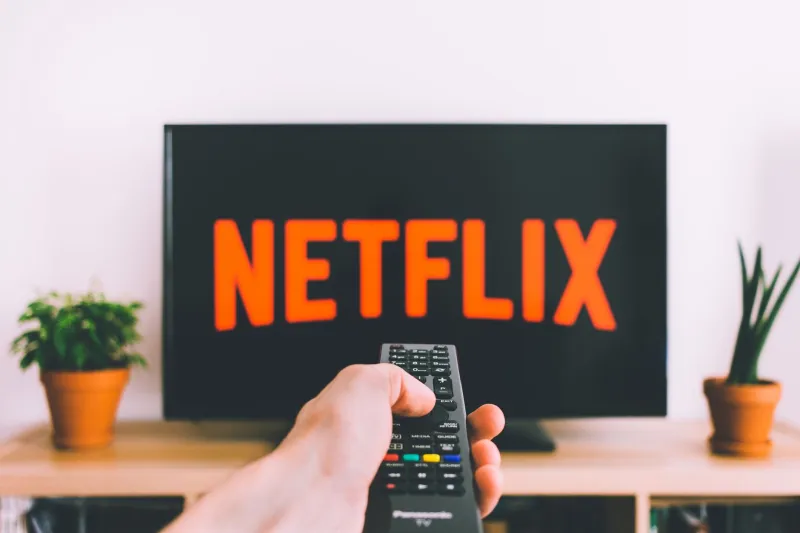
Let's be honest for a second. You have a streaming subscription — maybe two or three — and you've spent a meaningful chunk of your screen time this year watching something you've already seen. Not because there was nothing new. There's always something new. There are literally thousands of new things. You just didn't want them.
You wanted The Office. You wanted Schitt's Creek. You wanted Gilmore Girls for the fourth time because autumn hit and suddenly Lorelai Gilmore feels like a personality requirement.
This is what I'm calling the Comfort Watch Tax. It's the monthly fee you pay — in full — to access a library of thousands of titles, mostly so you can return to the same corner of that library you've been sitting in since 2019.
And the wild part? The platforms know. And they're not complaining.
The Math Doesn't Add Up (Until It Does)
On paper, this looks like irrational consumer behavior. You're paying Peacock $5.99 a month to watch Parks and Recreation for the third time when you could've just bought the whole series on Vudu for around $30 and owned it forever. That's five months of subscription versus a one-time purchase — and after five months, the math clearly favors ownership.
But people aren't doing that. They're staying subscribed. Month after month. Because the idea of having access to everything feels better than actually owning one specific thing, even if that one specific thing is all you ever watch.
This is the sunk cost illusion working in reverse. Normally, sunk cost fallacy makes you keep doing something because you've already invested in it. Here, the subscription fee itself becomes the justification for not making a more deliberate choice. Why buy a show outright when your subscription technically covers it — along with ten thousand other things you'll never watch?
Streaming platforms have essentially monetized the gap between what we intend to watch and what we actually watch. That gap is enormous, and it's extremely profitable.
Decision Fatigue Is a Feature, Not a Bug
Here's something the streaming industry doesn't exactly advertise: an overwhelming content library isn't always a selling point. For a lot of subscribers, it's actually a deterrent.
When you sit down after a long day and open Netflix, you're not in research mode. You're not trying to discover something culturally significant. You're tired. Your decision-making bandwidth is basically running on fumes. And in that state, scrolling through hundreds of unfamiliar thumbnails while a clock ticks in your brain is genuinely stressful.
So you default. You go back to something safe. Something whose emotional temperature you already know. You pick the show where you can recite half the dialogue and you don't have to invest any cognitive energy in figuring out what's happening or whether you'll like it.
This isn't laziness. It's a completely reasonable neurological response to overstimulation. Psychologists call it cognitive load reduction — the brain actively seeks familiar stimuli when depleted because processing new information costs energy it doesn't currently have.
Streaming platforms have built their entire recommendation engine around nudging you toward new content, but what a lot of people actually need at 10 PM on a Tuesday is the exact opposite of a recommendation. They need permission to watch Brooklyn Nine-Nine again without feeling like they're wasting their subscription.
The Catalog as Security Blanket
There's also something deeper going on here that goes beyond just being tired. Comfort rewatching is, in a very real sense, emotional regulation.
When life feels chaotic — and honestly, when doesn't it — returning to a show you love is a form of control. You know how it ends. You know which characters survive, which relationships work out, which episodes are going to make you laugh even though you've heard the joke before. There's no risk. No narrative anxiety. No chance you'll get invested and then get blindsided by a brutal season finale.
Think about how many people binged The Office during the early pandemic years. It wasn't because they hadn't seen it. It was because the world had become completely unpredictable and Dunder Mifflin felt like the one place where the rules still applied.
Streaming platforms are, whether intentionally or not, selling comfort as much as content. The subscription isn't just access to a library. It's access to your library — the specific corner of it that feels like home.
What Platforms Are Actually Banking On
Here's where it gets interesting from a business perspective. You might assume that streaming services would prefer you to watch new content — after all, they're spending billions producing it. And yes, they want those shows to perform. Awards matter. Buzz matters. Subscriber acquisition matters.
But subscriber retention matters more.
And this is the quiet secret behind the comfort rewatch economy. A subscriber who logs in three nights a week to rewatch Arrested Development is still paying full price. They're not burning through customer service resources. They're not churning. They're just... there. Reliably, predictably, profitably there.
The bloated content library that nobody can fully navigate? It serves a purpose beyond just having a lot of stuff. It creates the impression of value. As long as you believe that you could watch something new, the subscription feels justified — even if you never actually do. The library isn't there to be consumed. It's there to be reassuring.
So Are We Getting Played?
Kind of, but not entirely.
If you're genuinely getting value from your subscription — if those comfort rewatches are legitimately improving your evenings and giving you something to look forward to — then the math is whatever you decide it is. Entertainment value is personal. Nobody else gets to calculate your ROI on Gilmore Girls.
But it's worth being conscious about it. If you're paying for three streaming services and only actively using one of them to watch the same two shows, that's worth a second look. The platforms are excellent at making inertia feel like choice.
The Comfort Watch Tax is real, and most of us are paying it willingly. The question is just whether we're paying it with eyes open or on autopilot — which, honestly, might be the most on-brand description of late-night streaming there is.
Either way, The Office cold open is still funny. I don't make the rules.


