Five Shows, Infinite Loops: Why You Keep Going Back Instead of Moving Forward

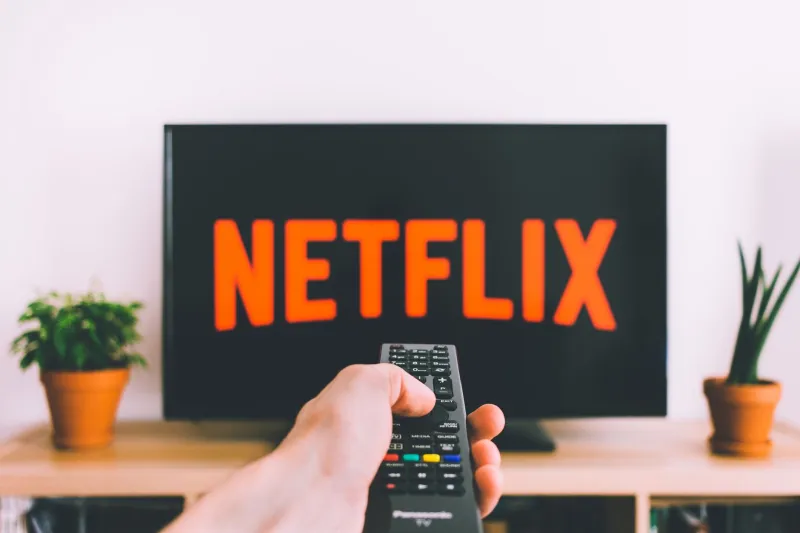
Here's a scenario that probably sounds familiar. You open Netflix after a long day, scroll for fifteen minutes, feel mildly annoyed by everything you see, and then land — again — on a show you've already watched two or three times. You press play. You exhale. You're home.
It's not that you're lazy. It's not even that you're bored. There's something genuinely comforting about returning to a show you already know, and the fact that millions of people do this exact thing every single night is worth unpacking.
The Paradox of Endless Choice
Streaming platforms have handed us what sounds like a dream: thousands of shows, movies, and specials available at any moment. Want a Korean thriller? It's there. A limited series about a cult? Three of them. A cooking competition set in a haunted kitchen? Probably.
But here's the thing — more options don't make choosing easier. They make it harder. Psychologists have been talking about the paradox of choice for decades now, and streaming has essentially turned it into a nightly experiment. When every decision feels high-stakes and every wrong pick means an hour of your evening you're not getting back, your brain starts looking for the path of least resistance. That path almost always leads back to something familiar.
The overwhelming catalog doesn't just make you indecisive. It makes you anxious. And when you're anxious, you don't take risks. You reach for what you know.
What a "Comfort Rotation" Actually Is
Most people have one, even if they've never called it that. It's the informal playlist of shows you cycle through depending on your mood — the sitcom you put on when you're too tired to follow a plot, the procedural drama you watch while folding laundry, the reality competition you return to every few months just because it feels right.
These aren't shows you're passively watching. They're shows you're using. There's a difference.
Comfort content functions less like entertainment and more like a coping mechanism. It's predictable in the best way — you know the rhythms, you know how it ends, you know which characters are going to make you laugh. That predictability is the whole point. When real life feels unpredictable, chaotic, or just plain exhausting, fiction that already has its loose ends tied up is genuinely soothing.
Think about how many people turned to The Office, Parks and Recreation, or Schitt's Creek during periods of personal stress. There's a reason those shows keep showing up in conversations about comfort viewing — they're warm, they're funny, they wrap up cleanly, and they don't ask too much of you emotionally.
New Show Commitment Is a Whole Thing
Starting a new series is more of a commitment than we give it credit for. You have to learn new characters, figure out the tone, decide whether the show is worth your time before you've had enough time to actually know. Most shows take three or four episodes before they find their footing. That's a real investment.
And in a culture that's already asking us to be constantly productive, constantly informed, and constantly switched on, the idea of spending three hours "auditioning" a new show feels like work. The comfort rotation removes that friction entirely. You already passed the audition phase years ago. Now you just show up.
There's also something to be said for the social dimension of comfort shows. A lot of people rewatch the same series because those are the shows their friends and family talk about. Starting something obscure or new means watching alone, in a way — no one to quote it with, no shared references, no group chat reaction. The familiar shows are the ones with community built around them.
Streaming Platforms Are Quietly Fine With This
Here's the part that doesn't get talked about enough: the services that are theoretically built to help you discover new content are actually pretty comfortable with you not discovering much at all.
Retention is the metric that matters most. If you're logging in regularly and watching something, the platform counts that as a win regardless of whether you watched their shiny new original or a sitcom that originally aired on NBC fifteen years ago. The licensing deals are already done. The content is already there. Your engagement is what they're selling to investors.
The recommendation algorithm is supposed to push you toward new things, but it's also trained on your behavior — and if your behavior is to keep rewatching the same five shows, the algorithm eventually learns to surface those shows even faster. You end up in a feedback loop that the platform has very little incentive to break.
Emotional Regulation Disguised as Laziness
Let's be honest about what's actually happening here. The comfort rotation isn't about being uncurious or closed-minded. It's about managing your emotional state in real time.
Entertainment has always served this function, but it's more visible now because we have so much control over what we consume and when. People use their rotation shows the way previous generations used comfort food, or a familiar playlist, or a worn-in hoodie. The specific thing matters less than the feeling it produces — safety, ease, the quiet reassurance that something in the world is exactly where you left it.
In an era where the news cycle is relentless, work-life boundaries are blurry, and the general vibe of the world is somewhere between "uncertain" and "a lot," having five shows you can always return to isn't avoidance. It's a small, private act of self-preservation.
Is There Anything Wrong With It?
Not really. The discourse around comfort rewatching sometimes has this undercurrent of judgment — like you should be watching more challenging content, broadening your horizons, consuming art that makes you uncomfortable in productive ways. And sure, sometimes that's worth doing.
But entertainment isn't homework. You don't owe the streaming catalog your adventurousness. If rotating through the same reliable shows helps you decompress and feel okay at the end of the day, that's a perfectly reasonable use of your time.
The only thing worth noticing is whether you want to explore new things but keep defaulting to the rotation out of anxiety rather than genuine preference. There's a difference between choosing comfort and being stuck. If you find yourself scrolling for twenty minutes and walking away frustrated, that's probably worth paying attention to.
But if you're pressing play on your fourth rewatch of something and feeling genuinely good about it? That's not a problem. That's just you knowing what you need — and in this world, that's actually kind of impressive.