Unfollowed IRL: The New Era of Fans Falling Out With Their Favorite Celebrities
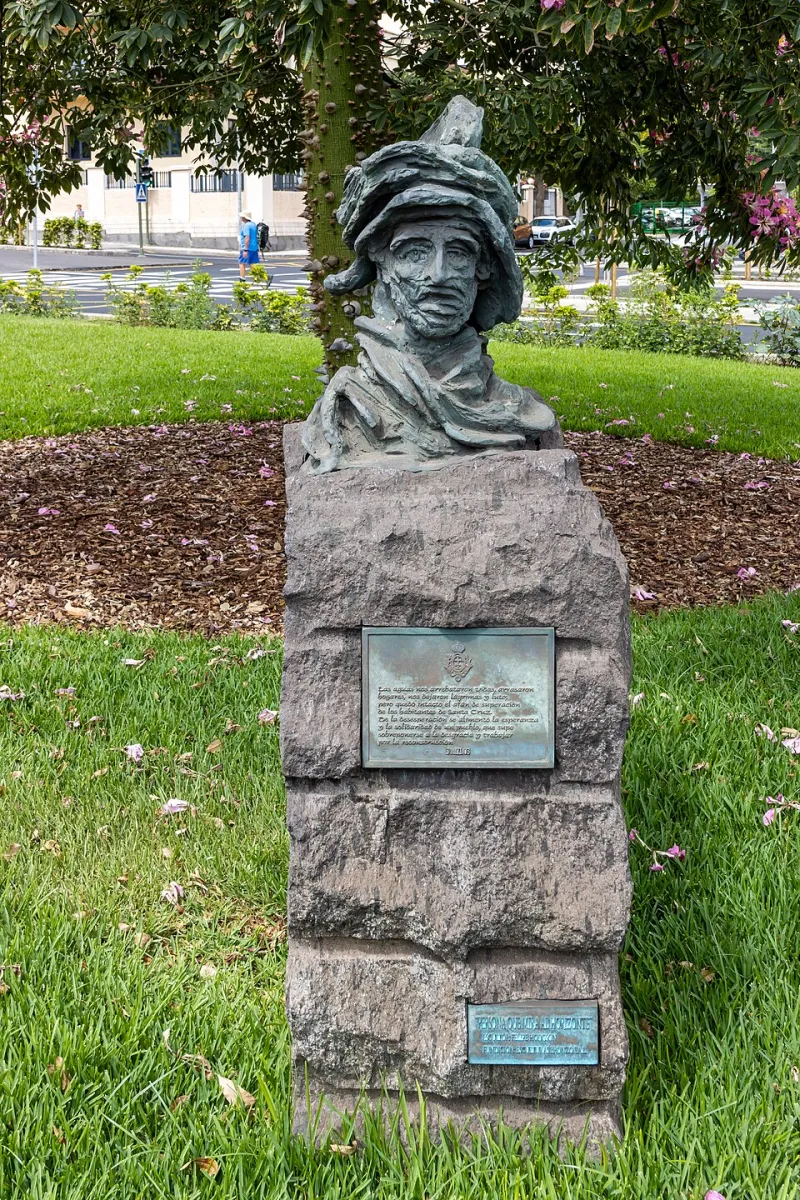
Photo: Photograph by Mike Peel (www.mikepeel.net)., CC BY-SA 4.0, via Wikimedia Commons
I want you to think about the last time a celebrity posted something that genuinely made you cringe — or worse, made you angry. Not mildly annoyed. Actually, personally bothered. Like someone you trusted said something you couldn't unhear.
Maybe it was a tone-deaf comment during a news cycle that demanded more. Maybe it was a weird political take. Maybe it was something they liked on Instagram at 2 a.m. that someone screenshotted before they could unlike it. Whatever it was, you felt it. And if you're being honest, the feeling was a little embarrassing in its intensity — because you've never actually met this person.
Welcome to the parasocial breakup. It's one of the defining dynamics of celebrity culture in 2024, and it's reshaping how fame actually works.
The Relationship That Was Never Real (But Felt Like It Was)
The term "parasocial relationship" has been floating around psychology circles since the 1950s, but it only entered mainstream vocabulary recently. The basic idea: humans are wired to form bonds with people they observe regularly, even when those people have no awareness of them at all. We did it with TV characters. We did it with radio personalities. We've always done it.
But social media turbocharged the whole thing. Platforms like Instagram, TikTok, and X (formerly Twitter) are engineered to simulate intimacy. A celebrity sharing their morning coffee routine, their therapy journey, their hot takes on whatever's trending — all of it creates the feeling of a two-way relationship. You feel like you know them. You feel like they're talking to you specifically.
And then they say something that shatters the image you'd built, and the breakup hits with a force that's completely disproportionate to any actual relationship you had.
When the Illusion Cracks
Let's look at some recent examples, because this isn't theoretical — it's been playing out publicly and dramatically.
The past few years have given us multiple high-profile fan exodus moments. Certain actors who built massive followings on the back of beloved roles saw those followings evaporate almost overnight after social media posts — whether about geopolitical conflicts, public health debates, or just general vibes that read as out of touch. The speed of the collapse is what's striking. A carefully cultivated fanbase of years can fracture in 48 hours based on a handful of posts.
And it's not just political content. Sometimes it's subtler. A celebrity who built their brand around being "relatable" getting photographed on a private jet. A musician who marketed themselves as authentic being caught in a PR stunt. The audience feels specifically lied to — not just disappointed, but deceived — because the parasocial relationship was built on the premise of genuine access.
Why It Hits Different Now
Celebrity controversies are nothing new. Stars have been doing scandalous things since the golden age of Hollywood. What's changed is the architecture of how fans process it.
First, there's the direct line. When a celebrity posts something themselves — not through a publicist, not filtered through a magazine profile — it removes the buffer. There's no plausible deniability, no "taken out of context." It came directly from their phone to your screen. That directness, which felt like intimacy on the way in, becomes an indictment on the way out.
Second, there's the community pile-on effect. Fan spaces on Reddit, Twitter, TikTok, and Discord move fast. One person's discomfort becomes a thread, becomes a trending topic, becomes a consensus — all within hours. Individual ambivalence hardens into collective rejection at a speed that would've been impossible in any previous era. You're not just processing your own feelings; you're processing them in real time alongside thousands of other people who are all amplifying each other.
Third — and this one's underrated — there's the algorithm. Platforms are designed to surface outrage. A celebrity's controversial post doesn't just reach their existing followers; it gets pushed to millions of people who now encounter this person for the first time through the lens of the controversy. The first impression becomes the permanent impression.
What This Means for Careers
The entertainment industry is still figuring out how to navigate this. The traditional PR playbook — stay quiet, let it blow over, issue a carefully worded apology — doesn't work as cleanly anymore. Fan bases that feel betrayed aren't necessarily looking for an apology. They're processing a grief, and grief doesn't respond well to corporate-sounding statements.
Some celebrities have managed genuine comebacks from parasocial breakup moments by doing the one thing that feels most counterintuitive: being even more real. Not PR-real, but actually vulnerable, actually accountable, actually willing to sit in the discomfort publicly. It's a high-risk move, but it can work because it reactivates the intimacy that made the relationship feel meaningful in the first place.
Others have simply accepted that a portion of their audience is gone and moved on. Which, honestly, might be the healthier long-term strategy — building a smaller but more genuinely connected fanbase rather than chasing mass approval that's always one bad post away from collapsing.
The Part Where We Get Honest With Ourselves
Here's the thing I keep coming back to: the parasocial breakup says as much about us as it does about the celebrity.
We built a relationship in our heads. We filled in the gaps with what we wanted them to be. And when reality didn't match the projection, we called it a betrayal. That's not entirely fair, and I think on some level most people know that — which is maybe why there's always a slight undercurrent of embarrassment in these moments, even when the anger is completely genuine.
None of this means the feelings aren't valid. Feeling let down by someone whose work you loved, whose public persona you trusted, is real. But it's worth being honest about the nature of the relationship we're grieving when it ends.
Social media sold us access. What it actually gave us was a very convincing simulation of access. And the parasocial breakup is what happens when those two things stop looking the same.