From Forgotten to For You Page: How Streaming Gave Faded Stars a Second Life
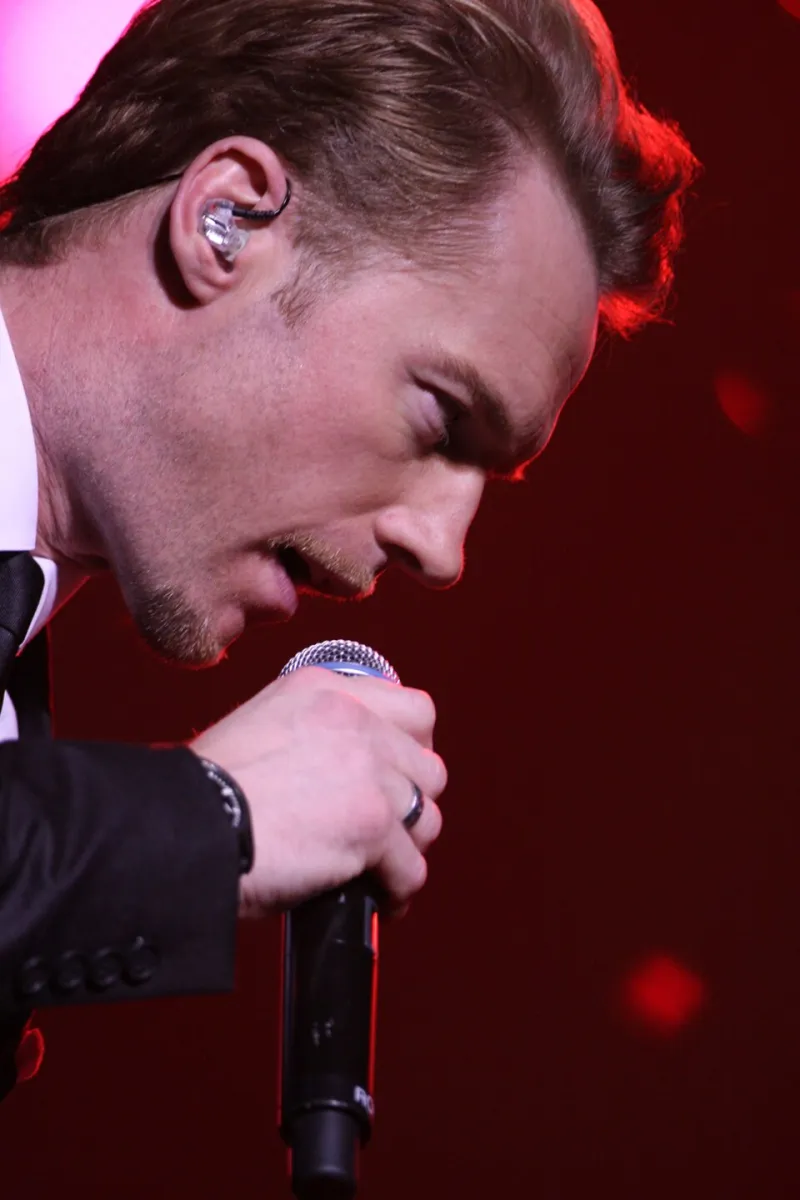
Photo: Eva Rinaldi, CC BY-SA 2.0, via Wikimedia Commons
There's a particular kind of cultural whiplash that's become weirdly common in the last few years. You'll be scrolling through TikTok or browsing Netflix, and suddenly — there they are. Someone you completely forgot existed, looking great, sounding relevant, and somehow racking up millions of views like they never left. It's disorienting. It's also kind of brilliant.
The streaming era didn't just change how we consume content. It quietly rewrote the rules of celebrity relevance entirely. And for a whole generation of artists, actors, and public figures who seemed to have missed their moment, that rewrite has been nothing short of a lifeline.
The Old Comeback vs. The New One
In the pre-streaming world, a celebrity comeback was a specific, well-understood thing. You went on a late-night tour. You dropped an album with a buzzy single. You booked a high-profile movie role. You showed up at the Grammys looking undeniable. The machine was structured, expensive, and required major label or studio backing to pull off.
The streaming era blew that model up. Now, a comeback can happen through a 45-second TikTok that goes viral at 2 a.m. It can happen through a Netflix limited series that gets added to someone's queue on a rainy Sunday. It can happen through a carefully placed guest appearance on a Spotify-adjacent podcast, or through a Disney+ documentary that reframes your entire career narrative.
The common thread? Platforms that prioritize discoverability over gatekeeping. And for celebrities who got squeezed out by traditional industry structures, that's a game-changer.
Case Study: The Reality TV Reentry
Let's talk about one of the most underrated comeback vehicles in the modern entertainment landscape: reality television on streaming platforms. Shows like Netflix's The Circle, Love Is Blind, and even the various iterations of Dancing with the Stars (now on Disney+) have become surprisingly effective launchpads for cultural re-entry.
When a faded celebrity lands on one of these shows, they're not just appearing on TV — they're getting a full character arc in front of an audience that might be encountering them for the first time, or rediscovering them with fresh eyes. The format is forgiving. It's emotional. It's built for clipping and sharing. And it drops all at once, which means the conversation around it is loud and concentrated.
This isn't accidental. Streaming platforms know exactly what they're doing when they cast a name that carries nostalgia value. They're buying built-in press coverage, social media engagement from fans who grew up with that person, and a ready-made narrative hook. It's a mutually beneficial transaction — the platform gets buzz, the celebrity gets visibility.
The TikTok Wildcard
If streaming platforms are the structured comeback strategy, TikTok is the chaos variable that nobody fully predicted. The app's algorithm doesn't care about your last hit or how long ago your moment was. It cares about engagement, and it cares about it right now. That's created some genuinely unexpected second acts.
Musicians who hadn't charted in years suddenly found their songs soundtracking viral trends — sometimes because a teenager stumbled across an old track and thought it was cool, sometimes because a creator used it ironically and accidentally made it sincere again. Either way, the streaming numbers spiked. The name recognition returned. And in some cases, the artist was savvy enough to show up in the comments, lean into the moment, and turn a viral blip into actual sustained relevance.
The artists who've done this best share a common trait: self-awareness. They're not pretending the gap in their career didn't happen. They're acknowledging it, joking about it, and inviting the audience into the joke. That kind of authenticity plays incredibly well on a platform that has a finely tuned radar for anything that feels performative or forced.
The Limited Series as Career Reframe
For actors specifically, the prestige limited series has become one of the most powerful tools in the modern comeback arsenal. A well-produced, critically received limited run on a major streaming platform can completely recontextualize a career — especially for someone who spent years being known for one specific thing.
Think about what a limited series offers: it's finite (no long-term commitment required from a network or a star), it's built for awards consideration (which drives press coverage), and it reaches a global audience simultaneously. For a performer who's been pigeonholed or underestimated, that's an incredible opportunity to say this is what I can actually do.
Platforms have leaned into this. They've specifically sought out actors with name recognition who have something to prove, because that combination — familiarity plus hunger — tends to produce compelling performances and compelling press narratives.
What the Playbook Actually Looks Like
If I had to distill the modern streaming-era comeback into a rough framework, it'd look something like this: start with a platform that values discoverability, pick a format that allows for emotional storytelling (reality, documentary, or prestige drama), lean into the nostalgia without drowning in it, and show up on social media like a real human being rather than a brand.
The celebrities who've fumbled their second-act opportunities are almost always the ones who treated it like a traditional PR campaign — stiff, controlled, and weirdly corporate. The ones who've actually broken through are the ones who seemed genuinely present, genuinely grateful, and genuinely willing to be a little vulnerable.
Why This Matters Beyond the Celebrity
Here's the thing I keep coming back to: the streaming comeback story is really a story about what audiences actually want. And what we want, apparently, is nuance. We want to see people grow, stumble, disappear, and return. We want the full arc, not just the highlight reel.
In a media landscape that once discarded people the moment their moment passed, streaming has created space for longer, messier, more interesting stories. That's good for the celebrities who benefit from it. But it's also good for us — because it means the entertainment we're consuming is richer, stranger, and more honest about the way careers (and lives) actually work.
Forgotten doesn't mean finished. In the streaming era, it might just mean you're building up to something better.