Performing Real: The Strange Science Behind Why Celebrity 'Candid' Moments Feel So Calculated
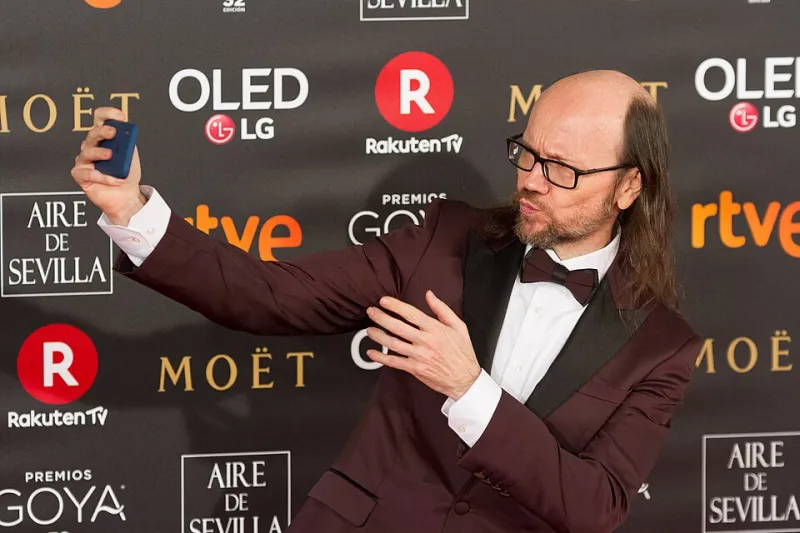
Photo: Carlos Delgado, CC BY-SA 4.0, via Wikimedia Commons
There's a specific kind of video that dominates your feed every few weeks. A celebrity is caught off guard — maybe they're crying in a car, laughing at something their kid said, or fumbling through an apology with mascara running down their face. The comments fill up fast: This is why I love her. Finally, someone keeping it real. No PR, no filter, just human.
And then, about 48 hours later, the discourse shifts. Someone notices the lighting was suspiciously good. Another person points out the camera angle was weirdly flattering for a "candid" moment. A third person digs up the fact that the clip was posted by the celebrity's own team. And just like that, the magic evaporates.
Welcome to the authenticity paradox — the weird loop where the more audiences demand realness from famous people, the more skillfully those famous people learn to fake it.
The Market for 'Unscripted'
This isn't a new tension, but it's gotten a lot louder in the social media era. Before Instagram and TikTok, celebrities controlled their image through publicists, magazine spreads, and carefully scheduled talk show appearances. The behind-the-scenes moments were actually behind the scenes.
Then the internet blew the walls down. Suddenly, fans wanted access. Not just to the red carpet version of their favorite stars, but to the grocery store version. The messy apartment version. The "I just woke up and I'm eating cereal in my pajamas" version. And celebrities, being nothing if not adaptable, figured out how to give them exactly that — on their own terms.
The result is a genre that doesn't really have a name yet, but we all recognize it. Call it curated spontaneity. It's the Instagram story that's shot in portrait mode with slightly shaky camera work to signal informality, while still somehow featuring perfect skin and a tastefully decorated kitchen in the background. It's the "no makeup" selfie that takes three tries to get the right angle. It's the tearful confession that drops at 9 PM on a Tuesday — prime engagement hours — with a link to a new project in the bio.
Why We Fall For It Anyway
Here's the thing that makes this whole situation genuinely fascinating: knowing that something is performed doesn't always make it feel less real. Parasocial psychology is messy like that.
Researchers have spent years studying why people form one-sided emotional bonds with public figures, and one consistent finding is that perceived intimacy matters more than actual intimacy. If a celebrity makes you feel like you're getting access to their real self — even if that access is carefully staged — your brain processes it similarly to how it processes a genuine friendship. The feeling of being let in is the thing, not the actual transparency.
Celebrities and their teams know this. That's why the "real" moments are often strategically timed to coincide with album drops, movie releases, or reputation rehabs. It's not a coincidence that stars tend to get very vulnerable and relatable right before they need the public on their side.
The Scrutiny Loop
But audiences are getting smarter, which creates a strange arms race. As fans get better at spotting staged authenticity, celebrities have to get better at staging it. The tells that worked in 2016 — the too-perfect lighting, the suspiciously available camera crew — are now red flags that savvy viewers clock instantly. So the production has to get subtler. The shaky cam has to be shakier. The emotional moment has to be less polished.
And yet, the scrutiny never fully goes away. Even when a celebrity does something that appears genuinely unplanned — a stumble on stage, an off-the-cuff comment in an interview, an unguarded paparazzi shot — the internet still debates whether it was real. We've trained ourselves to be suspicious of everything, which means nothing ever fully lands as authentic anymore.
It's a little exhausting, honestly.
The Stars Who Thread the Needle
A few public figures have managed to walk this tightrope more gracefully than others. What they tend to have in common is consistency — their "unfiltered" self matches their public self closely enough that the seams don't show. When someone like Pedro Pascal shows up looking genuinely delighted at fan events, or when a musician responds to criticism with something that sounds like an actual human thought rather than a press statement, it lands differently because it fits a pattern we already believe.
The celebrities who stumble hardest in the authenticity game are usually the ones whose "real" moments feel like a costume change. When someone who's been carefully polished for years suddenly gets very raw and vulnerable, the contrast is jarring. The audience's internal fact-checker goes off.
What This Says About Us
It would be easy to blame the celebrities here, but that's only half the story. The authenticity industrial complex exists because we created the demand for it. We are the ones who made "being real" a currency. We are the ones who reward the performance of vulnerability with engagement and parasocial devotion.
And maybe that's okay. Maybe the transaction is understood on some level — fans know they're getting a version of a person, and they choose to invest in that version anyway. There's something almost theatrical about the whole arrangement, and theater has always had value even when everyone knows the backstage exists.
But it's worth sitting with the weirdness of it. The next time a celebrity moment hits your feed and your gut says this feels real — pause for a second. Not to become a cynical conspiracy theorist who trusts nothing, but just to notice the feeling. Notice how much you want it to be real, and how that wanting is exactly what makes the whole machine run.
That hunger for connection, for glimpsing something true behind the brand — that's the most human thing in this entire equation. It's just that everybody involved has figured out how to monetize it.