Chaos Is a Strategy: How Getting Messy in Public Became the Hottest Career Move in Hollywood
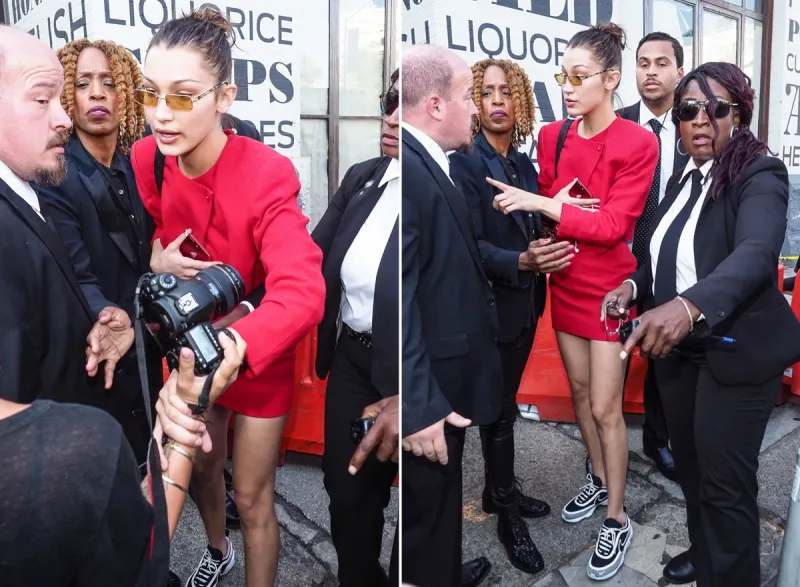
Photo: celebrity paparazzi chaos social media drama spotlight, via www.nydailynews.com
There's a version of the celebrity rulebook that still exists somewhere — dusty, ignored, probably filed next to a BlackBerry charger in some old-school PR firm's storage closet. It says things like: don't air your dirty laundry in public, stay out of the tabloids, protect your image at all costs.
That rulebook is cooked. And the celebrities who figured that out first are laughing all the way to the bank.
We are living in the era of strategic mess. The public meltdown. The relationship drama played out across Instagram stories. The "raw and honest" tell-all that drops conveniently two weeks before an album release. What used to be career-ending is now career-launching — and the line between genuine human vulnerability and calculated brand content has never been harder to find.
The Old Model Is Dead
For most of Hollywood's history, the goal was control. Publicists existed to suppress stories, shape narratives, and keep celebrities looking aspirationally perfect. The machine was built around distance — between the star and the audience, between the persona and the person.
That model started cracking when reality TV proved that audiences would rather watch imperfect people than polished ones. It collapsed completely when social media handed celebrities a direct line to their fans and, more importantly, handed fans a direct line back.
Authenticity became the new currency. And chaos, it turns out, is the most convincing proof of authenticity there is.
The Chaos-to-Comeback Pipeline
Let's look at the evidence.
Britney Spears' conservatorship saga — years of documented struggle, legal battles, and public anguish — culminated in a memoir that sold over 1.1 million copies in its first week. The suffering was real, absolutely. But the rollout? Surgical.
Kanye West has spent years doing things that would have ended any other artist's career ten times over. Erratic interviews. Public feuds. Statements that left entire newsrooms speechless. And yet his albums still debut at number one, his sneaker empire rewrote the footwear industry, and every controversy generates another news cycle that keeps his name in every conversation.
Kim Kardashian built a billion-dollar empire almost entirely on the foundation of a messy, maximally public personal life. The divorce from Kanye — itself a tabloid supernova — didn't damage her brand. It refreshed it.
Even in the music space, artists who lean into personal chaos consistently outperform those who stay buttoned up. Olivia Rodrigo's SOUR was essentially a breakup diary set to pop-punk, and it became one of the best-selling debut albums in recent memory. Fans didn't just stream it — they lived in it, because the mess felt real.
Authenticity Theater
Here's where I want to pump the brakes a little, because something important is getting lost in the chaos.
There's a difference between genuine vulnerability and performed vulnerability — and the entertainment industry has become extraordinarily good at manufacturing the latter. What looks like a celebrity falling apart is increasingly a carefully timed content drop. The "unfiltered" Instagram post was written and rewritten. The "candid" paparazzi moment was called in. The emotional podcast interview was scheduled three months in advance to coincide with a project launch.
This isn't cynicism for its own sake. It's worth asking: when we reward chaos with clicks, streams, and cultural relevance, what are we actually incentivizing?
We've built a media ecosystem that punishes restraint and rewards spectacle. The celebrity who quietly does good work, maintains healthy boundaries, and keeps their personal life private gets ignored by the algorithm. The one who posts a tearful video about their relationship falling apart gets 40 million views and a trending hashtag by morning.
At some point, the smart ones noticed. And they adjusted accordingly.
The Social Media Profit Engine
Platform economics make this worse. TikTok, Instagram, and X (formerly Twitter) don't just tolerate drama — they're engineered to amplify it. Controversy drives engagement. Engagement drives reach. Reach drives ad revenue and brand deals.
A celebrity going through a public breakup isn't just processing emotions in real time. They're generating content. Every cryptic post, every vague story, every "I'm doing okay" caption is a breadcrumb trail that keeps audiences engaged and algorithms satisfied.
The celebrities who have mastered this understand something crucial: in the attention economy, neutrality is death. You need people to feel something — sympathy, outrage, curiosity, protectiveness. Mess delivers all four simultaneously.
Are We the Problem?
I'd be doing this half-baked if I didn't point the finger back at us for a second.
We click on the drama. We share the meltdowns. We spend hours in comment sections debating whether a celebrity's public struggles are genuine or staged — and in doing so, we give those struggles even more oxygen. We say we're exhausted by the chaos, then immediately tune in to see what happens next.
The system rewards mess because we reward mess. Celebrities are rational actors responding to rational incentives. If falling apart in public generates more revenue than staying composed, why would anyone choose composure?
The more uncomfortable question is whether we've made it nearly impossible to tell the difference between someone who genuinely needs support and someone who's running a masterclass in attention management. Both look identical from the outside. Both trend the same way. And both cash the same checks.
So Where Does That Leave Us?
I'm not saying every celebrity who shares their struggles is being manipulative. Real pain exists. Real vulnerability exists. And there's genuine value in public figures normalizing therapy, mental health conversations, and honest storytelling.
But there's also a version of this where "authenticity" has become just another performance — one that happens to be more profitable than the polished alternative it replaced.
Maybe the most honest thing we can do is acknowledge both things at once: the chaos can be real and strategic. The vulnerability can be genuine and timed. People contain multitudes, and so do their PR teams.
What we probably shouldn't do is keep pretending we're passive observers in all of this. We built the machine too. And every time we click, we keep it running.